
Best Ultralight Sleeping Bags in South Africa
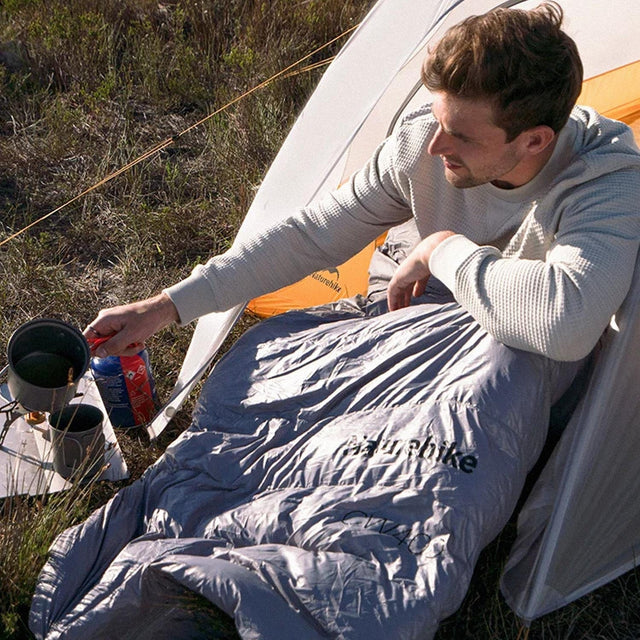
Finding the best sleeping bags in South Africa means cutting through a lot of noise. If you're shopping for sleeping gear ahead of your next hike, the ultralight category deserves serious attention. Below, we break down the top options available locally: what each bag is actually built for, including how it handles weight and temperature.
Sleeping Bag Temperature Ratings Explained
Every sleeping bag worth buying comes with three temperature figures:
-
Comfort rating: The temperature at which a standard female sleeper stays warm.
-
Limit rating: The temperature at which a standard male sleeper stays warm in a curled position.
-
Extreme rating: The survival threshold. You're not sleeping comfortably at this point; you're surviving the night.
Shop by the comfort or limit rating, not the extreme. If a bag is rated comfort 10°C, plan to use it when night temperatures stay above that, or pair it with a liner for added warmth. Choosing the right sleeping bag for your conditions is the most important decision you'll make before any overnight trip. For a more detailed breakdown of how ratings work in the South African context, Hiking South Africa's Sleeping Bags 101 is a solid starting point.
The Best Sleeping Bags in South Africa: Our Top Picks
Naturehike LW180 Ultralight Cotton Sleeping Bag
At 680g, the LW180 is the entry point into Naturehike Africa's lightweight sleeping bag range and earns its place on a summer kit list. The cotton fill keeps you warm without bulk, and the 20D nylon outer shell keeps weight down. It carries a comfort rating around 15°C, so this is a fair-weather companion. If your trip involves cold conditions or high-altitude nights, look further up the range.
Best for: Summer hiking and spring overnight trips.
Naturehike CW280 Ultralight Down Sleeping Bag
The CW280 uses white duck down fill and weighs just 570g, a meaningful saving over many competing bags in the same thermal range. The comfort rating sits at 10.9°C, making it a capable three-season bag for most South African conditions. It's compact enough to stuff into the bottom of a 40L pack without drama, and easy to keep clean after a long trip.
Best for: Autumn hiking and moderate altitude camping.
Naturehike CW400 & CWM400 Ultralight Down Sleeping Bags
The CW400 uses duck down; the CWM400 steps up to goose down at 790g. Goose down provides better loft per gram over time, which matters for a bag you'll use across multiple seasons. Both suit hikers who need confidence in cold conditions, particularly on high-altitude routes where overnight temperatures are hard to predict.
Best for: Three-season use and high-altitude trails.
Sleeping Gear: What to Look for Before You Buy
Fill type. Cotton suits warm conditions and is easy to maintain. Synthetic sleeping bags hold warmth even when damp, making them a practical choice for wetter trails. Down offers the best warmth-to-weight ratio in dry conditions, with goose down outlasting duck down in the long run.
Temperature rating vs. actual conditions. SA weather is unpredictable. A comfort 10°C bag paired with a quality sleeping pad is a different system to the same bag on bare ground. Cold earth draws heat from your body regardless of what the label says, so always check the expected overnight lows before you plan your kit.
For a summer trail, the LW180 is hard to beat. For a full-season bag, the CW280 hits a sweet spot of weight and warmth. Check out the full Naturehike Africa sleeping bag range and match the specs to the conditions of your next trip.


0 Comments
There are no comments for this article. Be the first one to leave a message!