
How to Choose a Sleeping Bag for Cold Weather Camping in South Africa
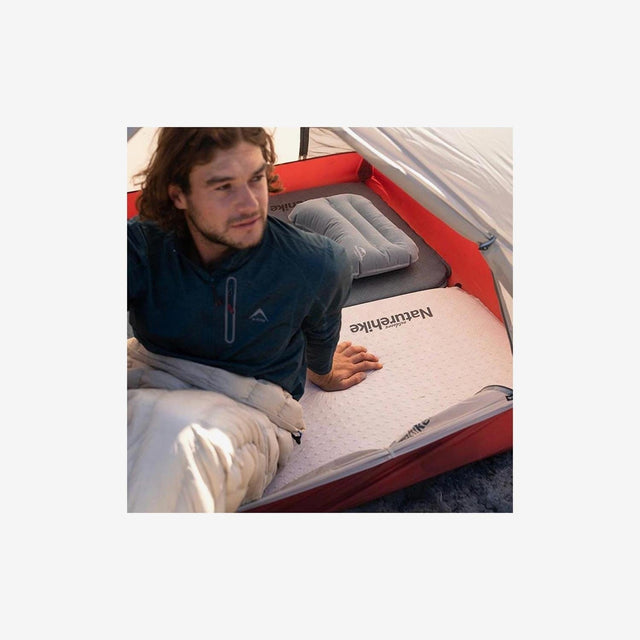
The rating printed on a sleeping bag is only a guide. How warm you sleep also depends on where you pitch your tent. A sleeping bag that keeps you comfortable on a dry Karoo night can leave you shivering beside a river in the Cape. So before you worry about the numbers, think about where you camp in winter and how cold it actually gets there. Get that right and the rest of the choice gets easier.
Camping High and Cold
The Drakensberg and the higher Cederberg peaks get the coldest nights you will camp in locally. Temperatures here drop below freezing, and the air stays dry. On nights like these, you want a bag with a low temperature rating. Look for one rated a few degrees colder than the lowest temperature you expect, so you stay warm if the night drops below the forecast.
Down fill works well here. It holds a lot of warmth for its weight and packs down small, so you save space when you carry it up a trail. A mummy-shaped bag helps too. The narrow cut and hood keep heat close to your body and leave less cold air for it to warm. Our Snowbird mummy bags are rated for these temperatures.
Camping in the Dry Interior
Across the Karoo and the highveld, winter days can be mild while the nights turn sharp and frosty. The air stays dry, which suits down fill. Down keeps its loft and traps warm air best when there is little moisture around, so a dry cold night is where it performs at its best.
If you camp in these areas through winter, a three-season or four-season down bag covers most nights. You get the warmth without carrying the bulk of a deep-winter mummy bag. Keep the bag inside its storage sack between trips so the down stays lofty and holds its warmth over the years.
Camping in the Damp and Cold
Winter nights near the coast and in the Cape bring a wet cold that gets into everything. Sea air and river mist leave moisture in your tent and on your gear. This is where synthetic fill makes sense. Synthetic keeps most of its warmth even when it gets damp, and it dries faster once the sun comes up.
A synthetic bag also costs less than a down bag of similar warmth, which helps if you camp a few times a year and want something reliable for wet conditions.
Getting More Out of Your Bag
Whatever bag you choose, a few habits help keep you warm on a cold night. A sleeping bag liner is the easiest upgrade. It adds a few degrees of warmth, keeps the inside of your bag clean, and packs down to almost nothing.
A few more things make a difference:
-
Put an insulating sleeping pad under you, since the cold ground pulls heat from your body all night
-
Change into dry base layers before bed, as damp clothing from the day will leave you cold
-
Eat a warm meal before you turn in to give your body fuel to make heat
-
Fill a bottle with warm water and keep it in the bag near your core
-
Vent the tent slightly so your breath does not leave damp condensation on everything
A Few of Our Winter Bags
If you are not sure where to start, these are the bags in our range made for colder nights:
-
The Snowbird Mummy SP700 Down Sleeping Bag is a mummy bag that offers reliable warmth for 3-season use with 700g of duck down fill and a durable polyamide shell
-
The Snowbird Mummy SP550 Down packs 550g of duck down into a mummy shape for freezing conditions
-
The CW700 Down is a four-season bag that holds warmth on cold nights without deep-winter bulk
-
The CW295 Ultralight Down keeps weight and pack size low for hikers who count every gram
These four are a starting point. Have a look through the full sleeping bag range to see the synthetic and cotton options too, along with bags for milder nights. Shop the rest of our camping and hiking gear online at Naturehike.



0 Comments
There are no comments for this article. Be the first one to leave a message!