
Outdoor Hacks for Camping: How to Camp in Different Terrains
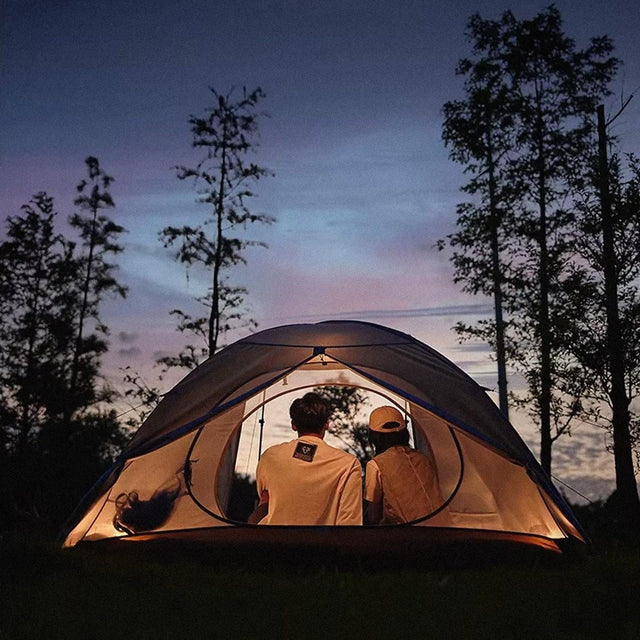
South Africa offers some of the best wild camping in the world. One weekend you're pitching your tent in the Waterberg bushveld, the next you're setting up against coastal winds at Sodwana or layering up in the Drakensberg. Each terrain throws different challenges at your camping gear and your wild camping experience.
Here's what experienced campers know: the tent that handles Kruger's heat also shrugs off coastal humidity. The sleeping bag that keeps you warm in the Berg works just as hard on a freezing Karoo night. Good gear adapts. These camping hacks and tricks show you how to make it work harder.
Wild Camping in the Bushveld
The bushveld delivers warm days and wildlife encounters. It also delivers enough thorns to puncture your tent or sleeping bags. Campsites around national parks like Kruger demand a specific approach to wild camping.
Ventilation and Airflow
Your tent needs good airflow and mesh panels to catch any breeze. Tents with dual-door ventilation, like those in the Naturehike range, keep air moving when temperatures climb. That same ventilation prevents condensation buildup in humid coastal conditions. Your campsite stays cool and comfortable even on hot days.
Protecting Your Camping Gear from Thorns
Acacia thorns will find your sleeping bag and sleeping pad if you're not careful.
-
Use a groundsheet under your tent
-
Clear the area before pitching
-
A quick sweep saves you from punctures in the middle of the night
Food Storage and Wildlife
Baboons smell food from a distance. Keep everything sealed in your car or a cooler box. Plan ahead and buy food that seals well before your camping trip.
Beat the Heat
Bushveld heat peaks between 11 am and 3 pm. Head out for hiking early when it's cool. Pack a headlamp for early starts and to keep your hands free on the trail. Keep it handy for mountain trips too, where afternoon storms mean early setups.
Coastal Camping Trip Tips
Beach camping along the West Coast or KZN coastline sounds idyllic until the wind picks up. The Garden Route offers similar challenges. These camping options require adjustments to your usual wild camping experience.
Anchoring Your Tent in Sand
Sandy ground doesn't hold standard pegs. A sturdy tent with multiple anchor points handles coastal conditions well. Look for aluminium poles that resist salt corrosion. They'll last longer across all your camping trips.
-
Use longer pegs designed for soft terrain
-
Bury rocks wrapped in guy ropes and tent lines as anchors
-
Find the right spot before unpacking your camping gear
Stay Dry: Protecting Gear from Salt and Humidity
Salt air corrodes metal on your tent zips and poles. A lightweight sleeping bag that dries quickly works best for humid conditions. A sleeping bag liner keeps your sleeping bag fresher longer and adds warmth when you head to colder terrain.
After your camping trip:
-
Wipe down your tent zips and poles
-
Store sleeping bags loosely to stay dry
-
Roll your bags to save space
Dealing with Sand
Place a mat outside your tent entrance. Keep wet wipes handy whilst camping. Sand in your sleeping bag guarantees a terrible night of sleep. Hang clothes to dry away from blowing sand.
Temperature Changes
Coastal areas shift from warm afternoons to cool evenings quickly. Pack an extra layer even if the weather looks mild.
Mountain Camping Experience
The Drakensberg offers SA's most spectacular wild camping, but mountain weather changes fast. Temperatures drop sharply after dark. Mountain camping takes a bit more planning, but the payoff is worth it.
Sleeping Bag Selection for Mountain Camping
Drakensberg nights dip close to freezing even in summer. A down sleeping bag rated for sub-zero temperatures makes all the difference. Naturehike sleeping bags come with clear temperature ratings so you know exactly what conditions they handle. For winter trips or quick overnighters, a sleeping bag liner adds extra warmth without the bulk.
Stay Dry in Mountain Weather
Afternoon storms roll in regularly. Keep your tent and sleeping gear protected.
-
Pack sleeping bags in waterproof stuff sacks
-
Store clothes and electronics in dry bags
-
Secure your tent's rain fly properly
A tent with solid waterproofing handles mountain storms and keeps out bushveld dust equally well.
Choosing Your Campsite
Search for a slightly elevated camping spot with natural windbreaks near your tent. Check the ground for water runoff paths. Avoid pitching your tent in valleys where cold air pools overnight. Visit a few spots before committing.
Ground Insulation
Cold seeps up through the ground faster than expected. A quality sleeping pad provides serious insulation. Your sleeping bag works better when you're not losing heat to cold ground all night. The same pad adds comfort on rocky bushveld ground or soft coastal sand.
Timing Your Hike
Mountain storms build in the afternoon. Leave at first light, and you'll avoid the worst of it, no matter how long your trip.
Wild Camping in the Karoo
The Karoo and Tankwa offer wide-open space and incredible stargazing. Namaqualand delivers similar conditions. The wild camping experience here swings between scorching days and freezing nights.
Temperature Swings
Daytime temperatures hit 35°C, then drop below 10°C overnight. Pack sleeping bags that work across temperature ranges to save space in your backpack or car. A sleeping bag rated for mountain conditions handles Karoo nights easily.
Water Bottle Essentials for Desert Camping
Water sources are scarce in wild Karoo camping. Bring at least 5 litres per person per day. A hydration bladder keeps water fresh and within reach, so you can focus on the landscape instead of rationing sips.
Setting Up Camp in Open Terrain
Many Karoo campsites offer no natural cover, and the open desert means nothing blocks the wind.
-
Hang a tarp or position your car to create shade over your tent
-
Use all guy ropes and tent lines, stake everything down properly
-
Add reflective tape on lines for low-light visibility after dark
Pack eco-friendly wet wipes and carry toilet paper out with you. These wild spaces stay pristine when campers look after them.
Quick Camping Hacks for Any Terrain
A few tricks work no matter where you camp.
Fill a water bottle with hot water and slip it into your sleeping bag for extra warmth all night. Every seasoned camper knows this hot water bottle hack. It works in the Drakensberg, the Karoo, or anywhere temperatures drop.
Cotton balls coated in petroleum jelly make reliable fire starters. Pack them in a small container for every camping trip. Beats struggling with damp kindling in the dark.
Pre-cook stews or curries and freeze them before your trip. They keep your food cool in the cooler and thaw it into ready dinners. Less cooking means more time enjoying nature and your camping experience.
Gear Up with Naturehike
Naturehike gear goes where you do. Every tent, sleeping bag, and accessory is designed to perform across the terrains you'll actually camp in.
Pick your terrain. Naturehike handles the rest.



0 Comments
There are no comments for this article. Be the first one to leave a message!